Ankle Pain Relief
Get back to walking, moving, and living with confidence.
Physical Therapy for Ankle Pain in Salt Lake City
Whether ankle pain began with a twist, a fall, repetitive movement, or an old injury, Cutting Edge Physical Therapy can help identify the source of your symptoms and create a plan to restore your mobility, strength, and balance.
Do you experience discomfort when moving your ankle or putting weight on it when trying to walk? Is your ankle affecting how you live your life? Physical therapy at Cutting Edge Physical Therapy can help relieve ankle pain, weakness, and mobility limitations—no matter what may be causing them.
The key to resolving ankle symptoms is locating the source of the problem. Our physical therapists conduct a thorough assessment to identify the factors related to your condition, then develop an individualized treatment plan to help you get back to moving once again.
Acute ankle injuries can make weight-bearing difficult because of pain, swelling, and loss of range of motion. Even a seemingly mild injury can lead to chronic pain and dysfunction, making regular daily activities more challenging. Getting the right rehabilitation plan early can help you restore function and protect your long-term mobility.
Common Reasons for Ankle Pain
Ankle disorders are commonly associated with rolling or twisting injuries. For some people, symptoms develop gradually because of repetitive movements or abnormal gait patterns.
1
Sprained Ankle
A sprain is an overstretching or tearing of a ligament. Ankle sprains often happen after a faulty step, uneven terrain, or a sudden change of direction in sports. When the ankle rolls, twists, or turns awkwardly, the supporting ligaments may partially or completely tear.
2
Chronic Lateral Ankle Pain
Pain on the outer aspect of the ankle may be related to an old injury that did not heal properly. Changes in range of motion after initial or repeated sprains—and in some cases ligament rupture—can leave the joint unstable, persistently painful, or limited in motion.
3
Fractured Ankle
Many ankle fractures result from rolling or twisting the ankle and affect the bony bump on the outside of the ankle, called the lateral malleolus. Ankle fractures may require weeks of rest to heal properly and can benefit from guided rehabilitation to restore function.
4
Arthritis
Arthritis is associated with degeneration, inflammation, range-of-motion deficits, and pain. Osteoarthritis and rheumatoid arthritis can damage cartilage over time, limit walking and movement, and significantly affect ankle function.
5
Achilles Tendinitis
Achilles tendinitis is commonly associated with repetitive stress or overuse. It occurs when the tendon becomes inflamed, causing swelling and pain—especially with movement of the affected area.
6
Achilles Tears
An unexpected strain on the Achilles tendon can cause tiny tears or a complete rupture. Resting too long or pushing too hard too soon can lead to complications, scar tissue, chronic weakness, and pain—making professional rehabilitation guidance important.
How Physical Therapy Helps
At your initial visit, one of our Salt Lake physical therapists will conduct a thorough assessment to determine the source of your discomfort and identify the factors related to your condition. We use this information to develop a personalized treatment plan.
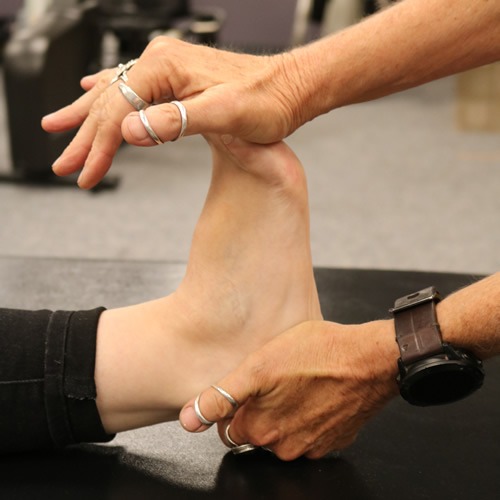
Your care may incorporate hands-on techniques, including joint mobilizations and soft tissue work, to alleviate pain and restore range of motion. Our team works to reduce pain and swelling with compression and modalities so you can return to your normal routine.
Your therapist will also teach you exercises and stretches to regain and maintain joint mobility, improve balance and strength, and help you restore the function needed to get back to doing what you love.
Request an Appointment and Start Moving Freely Again
Cutting Edge Physical Therapy can help you regain ankle mobility and improve balance, coordination, and strength so you can walk around freely and with less pain. Begin your road to recovery today.