Lower Back Pain
Get moving comfortably again with an individualized physical therapy plan.
Understanding Your Lower Back
Your spine provides structure and support, protects the spinal cord, and allows you to move and bend. When lower back pain limits the life you want to live, Cutting Edge Physical Therapy can help identify the contributing factors and guide your recovery.
The lowest part of the spine is the lumbar spine. It usually has five vertebrae and connects to the pelvis, making it a major area for weight bearing and body movement. The lumbar vertebrae are the largest in the spine and have more space for nerves to move than the cervical or thoracic regions.
Each spinal segment includes two vertebrae, a disc between them, supporting ligaments, facet joints that allow movement, and openings where nerve roots travel from the spinal cord to the body. The discs act as shock absorbers, while the paraspinal muscles support and move the spine. When these parts are working together, the spinal column is a remarkably strong structure.
Low back pain is common because the lumbar spine is exposed to lifting, twisting, carrying, prolonged positions, and repetitive stresses. A problem may involve one spinal segment or several, and pain can occur when a disc, joint, ligament, muscle, or nerve becomes irritated.
What May Be Causing Your Pain?
Back specialists may describe lower back problems as mechanical or compressive pain. Mechanical pain, often called back strain, is linked to the movement and mechanics of the spine. It can occur when injury to discs, facet joints, ligaments, or muscles produces inflammation. Compressive pain results when pressure or irritation affects the spinal cord or a nerve root, which may lead to pain, numbness, or muscle weakness along the nerve's path.
A thorough evaluation helps identify which structures and movement patterns may be contributing to your symptoms.
Mechanical Pain
Mechanical pain may be associated with muscle strain, ligament injury, vertebral fracture, facet joint irritation, or wear and tear in spinal joints and discs. It often hurts more with use of the back.
Disc & Nerve Symptoms
A bulging or herniated disc can irritate a nerve. This may contribute to radiculopathy, sciatica, tingling, numbness, weakness, or pain that travels into the thigh, leg, or foot.
Common Conditions
Lower back symptoms can be associated with arthritis, facet joint syndrome, spinal stenosis, discogenic pain, disc degeneration, bulging or herniated discs, and segmental spinal instability.
How Physical Therapy Can Help
Physical therapy is an important part of a lower back pain treatment plan. At Cutting Edge Physical Therapy, your care is based on an individualized evaluation and your specific needs. Treatment may include hands-on care, movement retraining, and education to help improve mobility, flexibility, strength, and confidence with everyday activity.
Our therapists can help you learn how to stand, sit, lift, and move more effectively. Correcting posture and body mechanics is important because prolonged or incorrect posture can contribute to back pain.
Modalities
Care may include alternating heat and ice, massage, ultrasound, and electrical stimulation as appropriate for your plan.
Manual Therapy
Hands-on techniques can help correct joint restrictions, improve mobility and flexibility, and decrease muscle spasms.
Flexibility & Strength
Guided exercises, stretching, posture retraining, and strength training can support recovery and help reduce the risk of future injury.
Build a Healthier Back
Exercise is vital to recovery and maintaining a healthy spine. Regular activity can strengthen the muscles that support the spine, reduce the risk of falls and injuries, improve flexibility, and help reduce back strain. If you have an injury or spinal damage, talk with your doctor or physical therapist before starting an exercise routine so your program is safe and effective for your situation.
General exercise guidelines
- Make smart choices: During recovery, non-weight-bearing activities such as swimming and water exercise may be helpful. Stationary biking and treadmill walking can place less pressure on the back than running on a hard surface.
- Warm up: Begin with appropriate warm-up and stretching. Proper stretching can reduce injury risk and support long-term flexibility.
- Listen to your body: If an activity, prolonged sitting, bending, or twisting causes pain, stop and rest. Discuss the activity with your doctor or physical therapist before proceeding.
- Support your spine: Use supportive sitting and sleeping positions, and talk with your health care provider about selecting an appropriate mattress and pillow.
- Lift properly: Use your legs to lift, bend your knees, and avoid placing the full load on your lower back.
Related Care for Back & Nerve Symptoms
Lower back pain can involve the spine, surrounding soft tissues, and nerve pathways. Explore related services and conditions treated by our team.
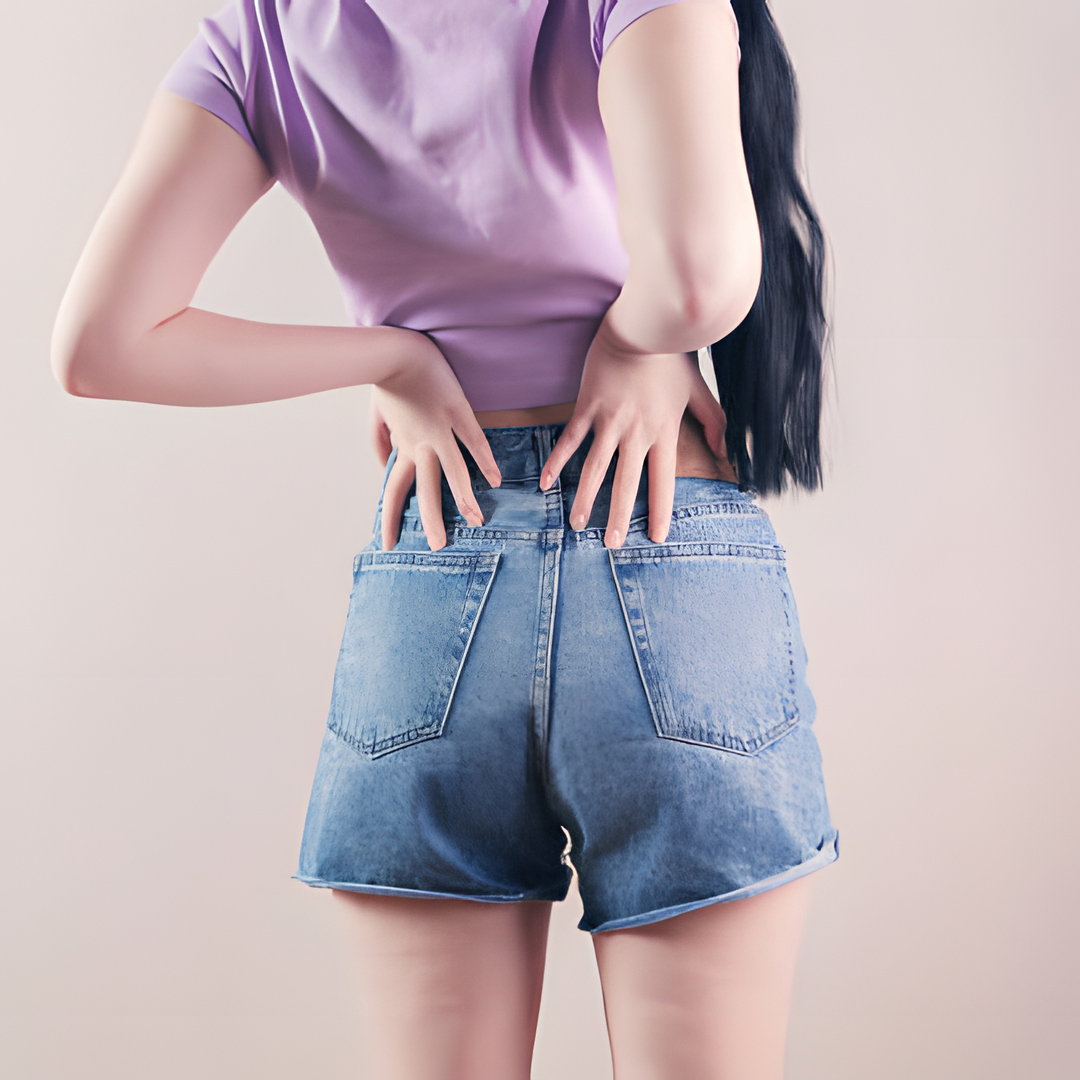
Sciatica
Nerve irritation in the lower spine can produce symptoms that travel into the leg or foot.
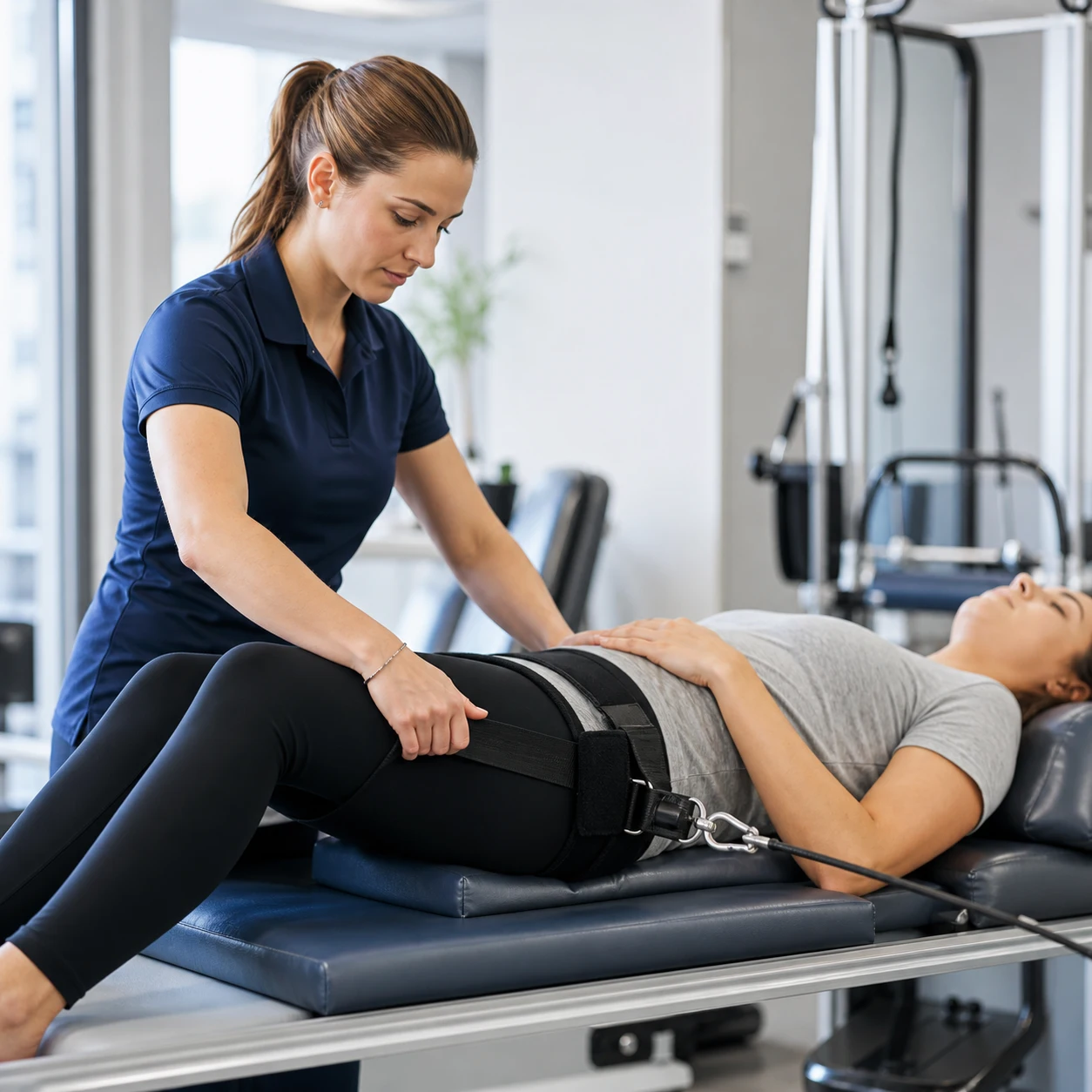
Lumbar Traction
Lumbar traction is one of the treatment approaches available through Cutting Edge Physical Therapy.
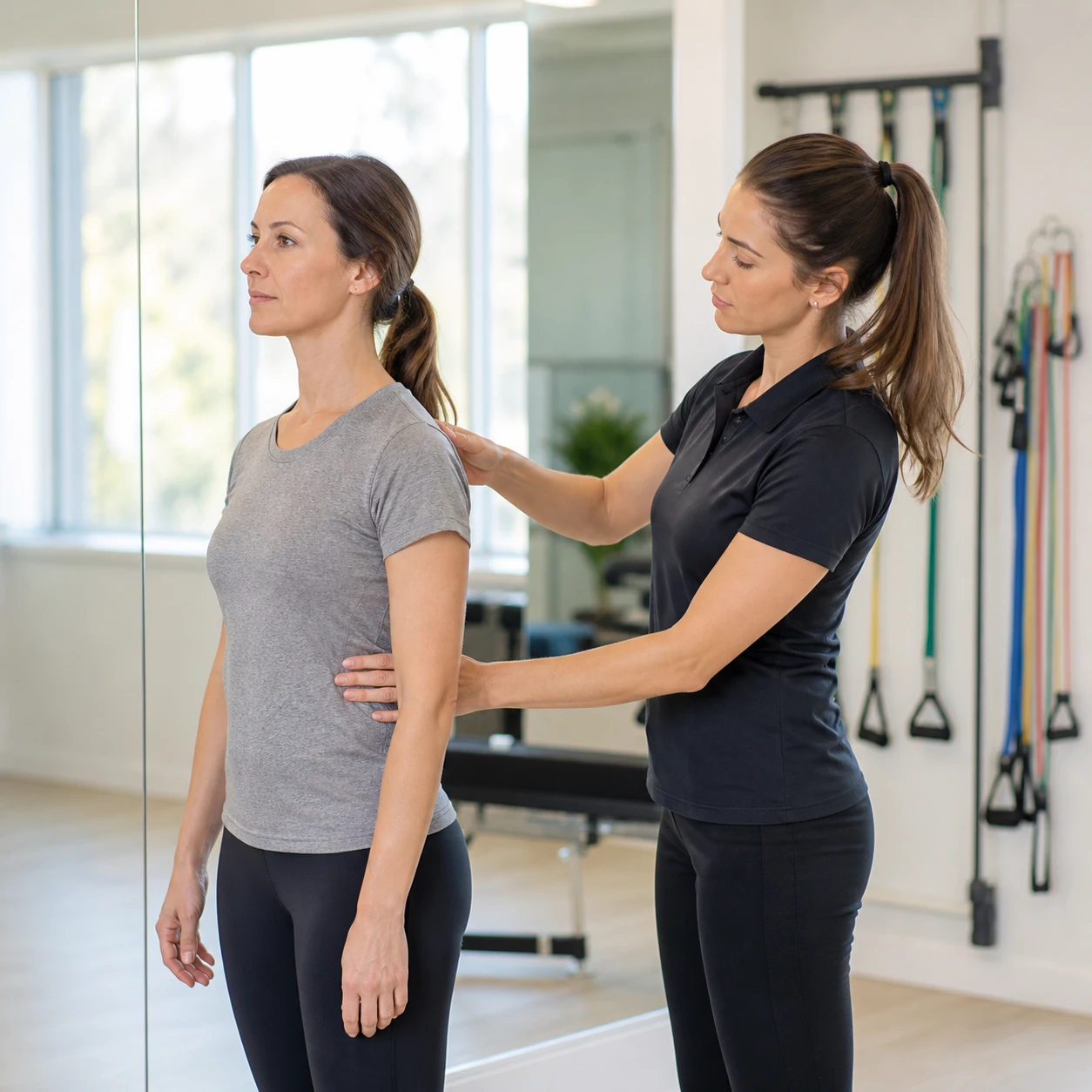
Postural Restoration
Posture training can be an important part of helping reduce back pain and protect your spine during daily activity.
Ready to Find Relief?
Do not let lower back pain or an overuse injury keep you from doing what you love. Cutting Edge Physical Therapy provides high-quality hands-on care in private treatment rooms, with an individualized evaluation and treatment plan.
Contact our Murray, Utah clinic at (801) 685-9212.