Neuromuscular
Re-education
Restore the movement patterns your body needs to move with greater control, confidence, and comfort.
What Is Neuromuscular Re-education?
Neuromuscular re-education is a technique used by physical therapists to restore normal body movement patterns. Your nerves and muscles work together to produce movement: nerves send signals between your muscles and brain about where, when, and how fast to move. Over time, these movement patterns are learned and stored in memory.
When nerves or muscles are affected by trauma, injury, medical conditions, or neurological conditions, those patterns can be negatively affected. Neuromuscular re-education helps facilitate a return to normal movement for people with neuromuscular impairments.
At Cutting Edge Physical Therapy, we look at the whole patient and address all aspects of dysfunction to help you reach your maximal rehabilitation potential and perform your functional activities at your best.
How We Rebuild Controlled Movement
Your plan uses the proper techniques, activities, and exercises for your individual needs.
Manual Techniques
Hands-on methods, including PNF (proprioceptive neuromuscular facilitation), can help guide and facilitate more normal movement.
Balance & Core Control
Targeted activities support balance, core control, posture, and the body awareness needed for everyday movement.
Therapeutic Exercise
Exercises are designed to re-develop normal, controlled movement patterns as your body regains function.
Why Re-education Matters in Recovery
To address many symptoms that arise during treatment, it is critical to re-establish normal kinesthetic sense and proprioception of the cervical, thoracic, and lumbar spine and the appendicular skeleton. When these neurological characteristics are not functioning properly, a person may be unable to maintain proper posture, and muscles in the involved area may not function as they should.
Pain, inflammation, and swelling following surgery or injury can lead to loss of neuromuscular control and abnormal movement. Many patients also experience tenderness and decreased joint motion. A joint needs full motion to be fully functional; without it, weakness and functional limitations can develop over several weeks to months.
Loss of motion and strength must be addressed to correct the underlying problem and eliminate symptoms. But before enough strength and motion can be developed to regain full function, the nervous system needs re-education. Without this process, normal movement patterns are unlikely to be re-established.
Care That Supports Better Function
Neuromuscular re-education plays a major role in rehabilitation and can help prevent an acute injury from developing into a chronic problem.
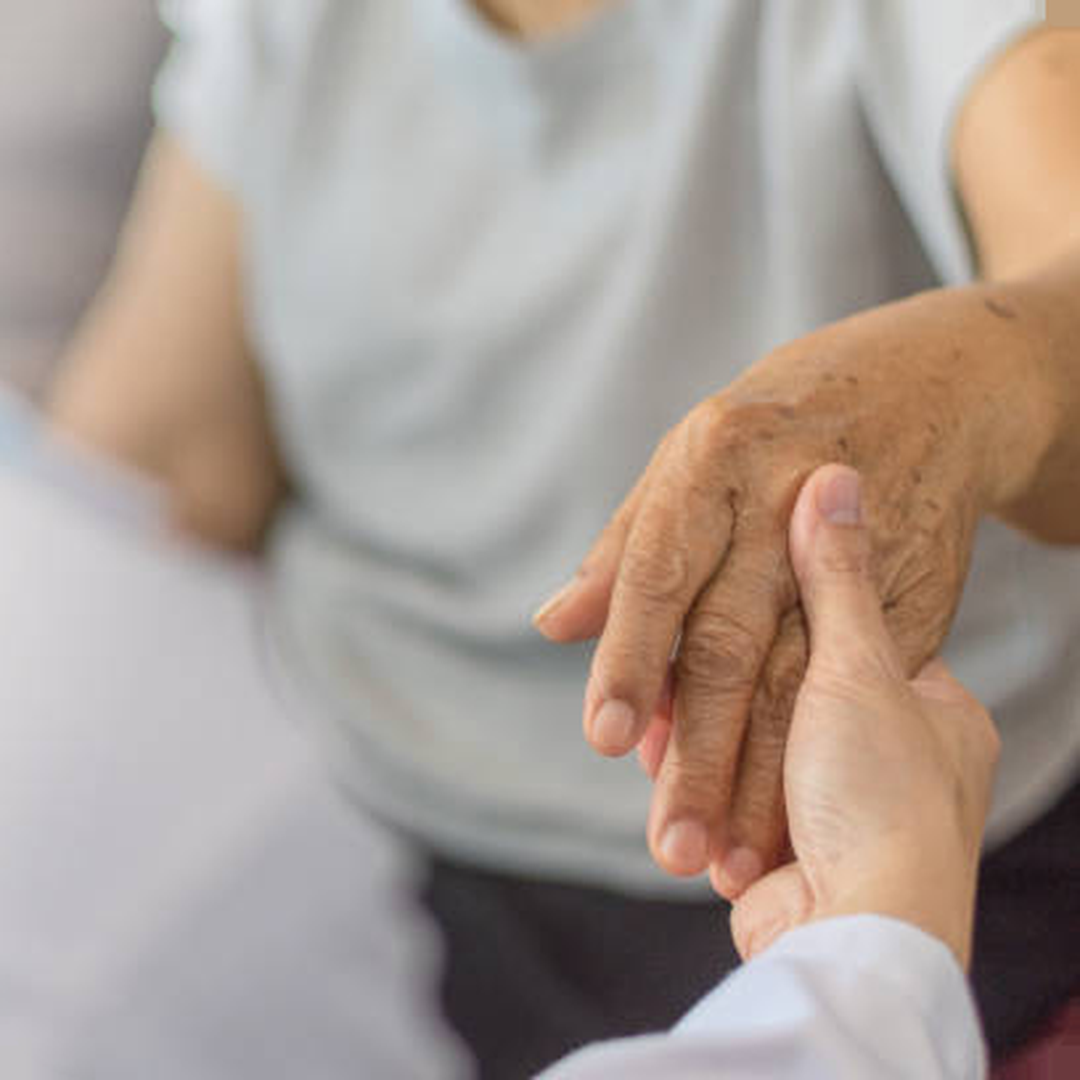
Balance Disorders
Balance, gait, and coordination training can be an important part of restoring steady, controlled movement.
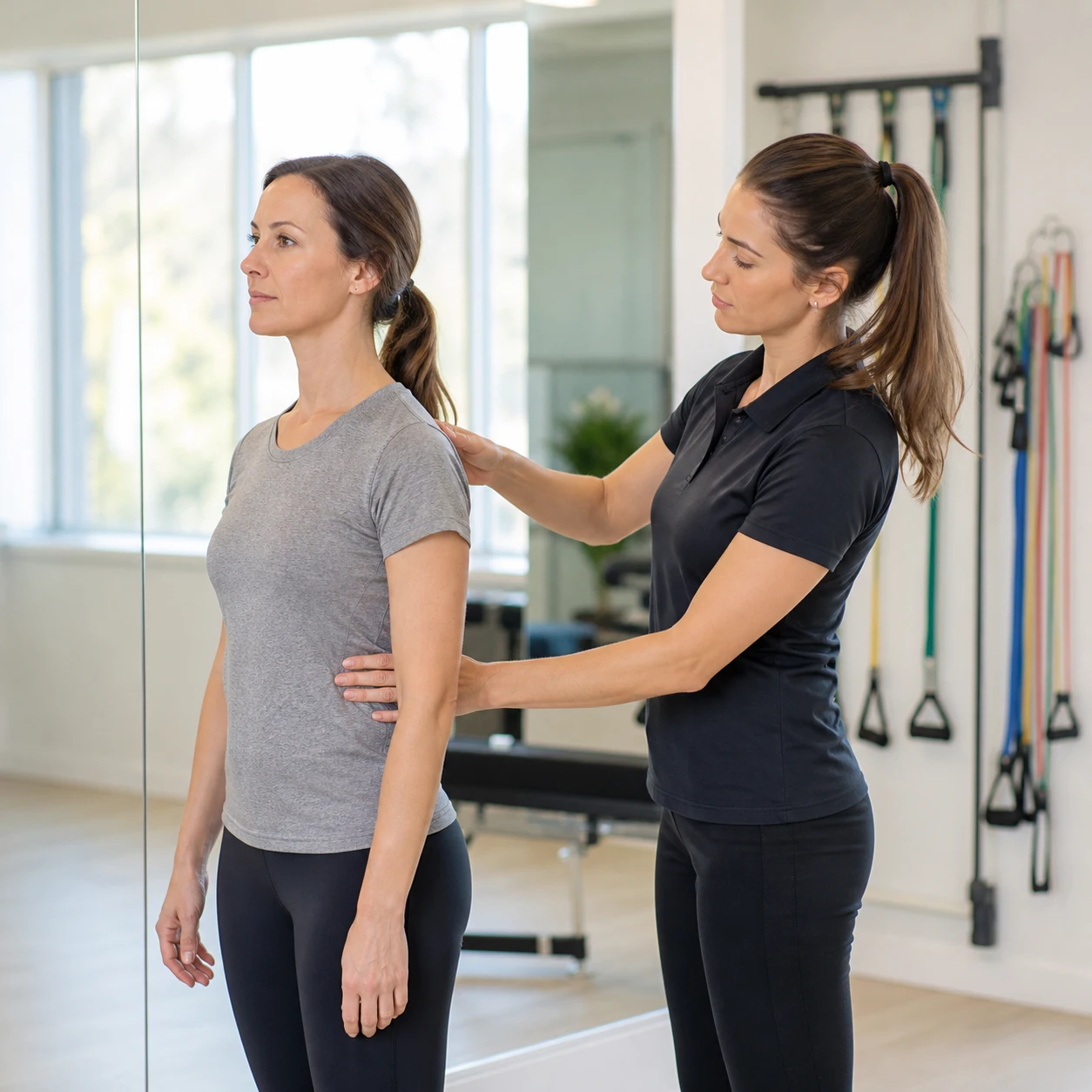
Postural Restoration
Postural restoration addresses the primary contributions of postural kinematic movement dysfunction.
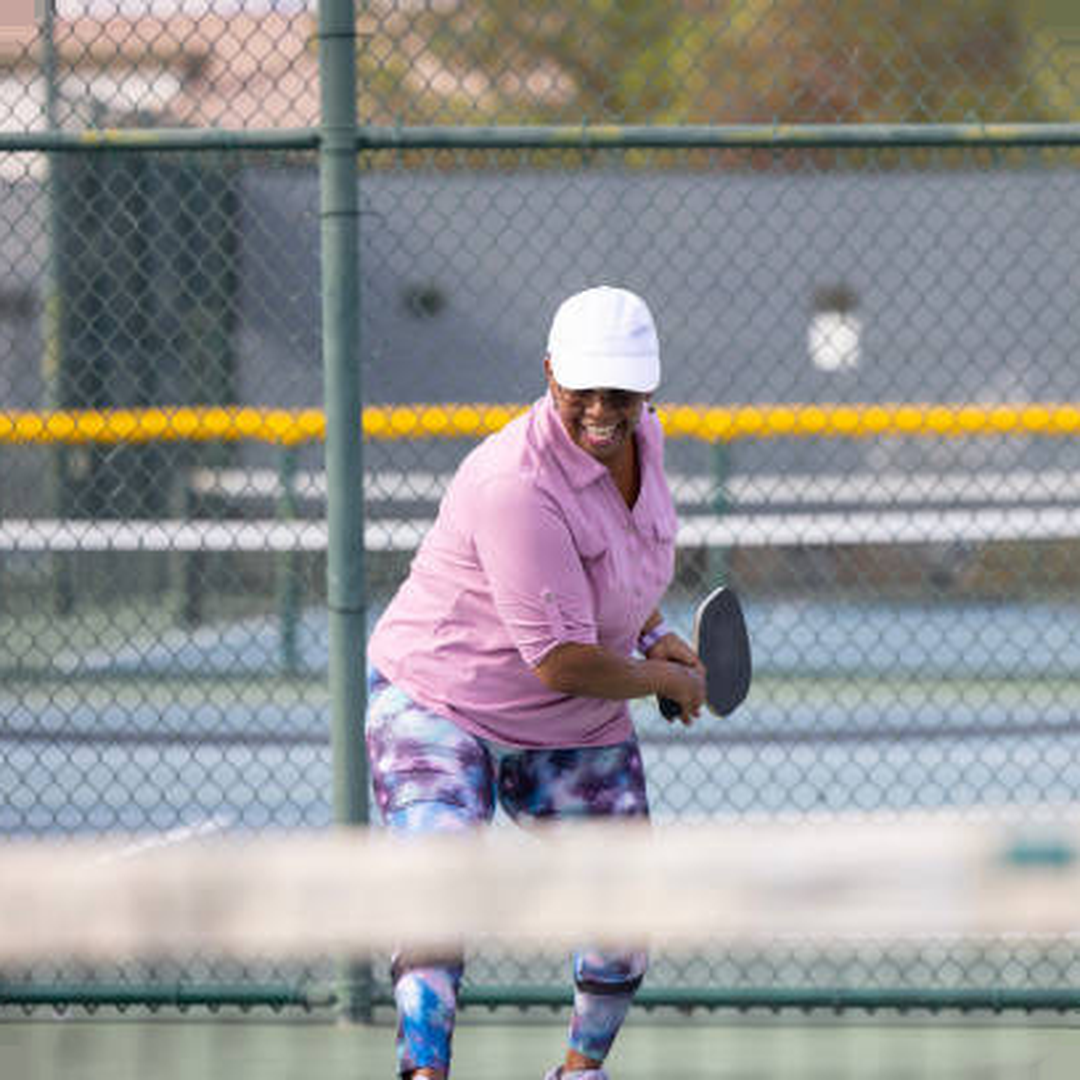
Sports Performance
Body awareness, stability, and movement technique are central to safe and successful athletic performance.
Get Started Today
Our trained physical therapists are dedicated to helping you achieve a pain-free life and return to the activities that matter to you.