Joint Mobilization
Gentle, skilled hands-on care to reduce pain, improve range of motion, and help your joints move more comfortably.
What is Joint Mobilization?
You have hundreds of joints in your body, formed by the articulating surfaces of two or more bones. To function efficiently and comfortably, each joint depends on a balance of stability and mobility. Joint capsules, ligaments, tendons, cartilage, and muscle fibers support these joints—and each can become injured or restricted.
Joint mobilization is a type of manual therapy performed by our physical therapists. Using skilled application of force, direction, and technique, your therapist passively moves a specific affected joint. In some cases, specialized tools may be used to help deliver the desired treatment effect.
The type, magnitude, speed, and frequency of mobilization are tailored to your treatment goals, the joint being addressed, and your unique anatomy. The primary goals are pain reduction, improved range of motion, and improved quality of joint movement, also known as arthrokinematics.
Reduce Pain
Joint mobilization is designed to reduce joint pain and ease the stiffness that can make everyday movement difficult.
Improve Range of Motion
By addressing restricted joint movement, treatment can help restore the motion you need for work, exercise, and daily activities.
Individualized Care
Your physical therapist selects techniques based on your examination findings, medical history, anatomy, and goals.
Conditions That May Benefit From Joint Mobilization
A joint may become irritated, swollen, misaligned, stiff, or painful because of injury, stress, poor posture, repetitive movement, or age-related wear and tear. Nearby muscles, tendons, and ligaments may tighten or become injured as they try to compensate for the affected joint.
Joint mobilization is not appropriate for every patient. Our skilled physical therapists will determine whether it is right for you after a thorough evaluation. Conditions our team may manage with joint mobilization include:
- Arthritis, especially involving the shoulder, spine, elbow, hip, or knee
- Rotator cuff tears and sprains
- Adhesive capsulitis, commonly called frozen shoulder
- Medial or lateral epicondylitis, including golfer’s and tennis elbow
- Ankle sprains
- Sciatica and other nerve impingement syndromes
- Facet joint locking and other spinal misalignments
- Whiplash
Joint dysfunction can also be an underlying contributor to muscle strains, ligament damage, and bursitis. Early assessment can help identify whether joint mobility is part of what is driving your symptoms.
What To Expect During Treatment
Your first visit begins with a thorough examination. Your physical therapist will assess range of motion, strength, coordination, pain level, posture, and relative tissue tension. Along with a conversation about your current symptoms and medical history, this evaluation helps us develop a customized plan of care.
Wear comfortable, loose-fitting clothing so your therapist can see or easily palpate the area being treated. Your privacy and comfort are important to our staff. Your therapist will explain how to sit or lie down, what you may feel during the treatment, and what to do afterward to support your progress and help prevent recurring symptoms.
Joint mobilization is often complemented by therapeutic exercise for strength and range of motion, modalities, and postural or neuromuscular retraining. The goal is not only to help the joint move better today, but to support stronger, more comfortable movement in the future.
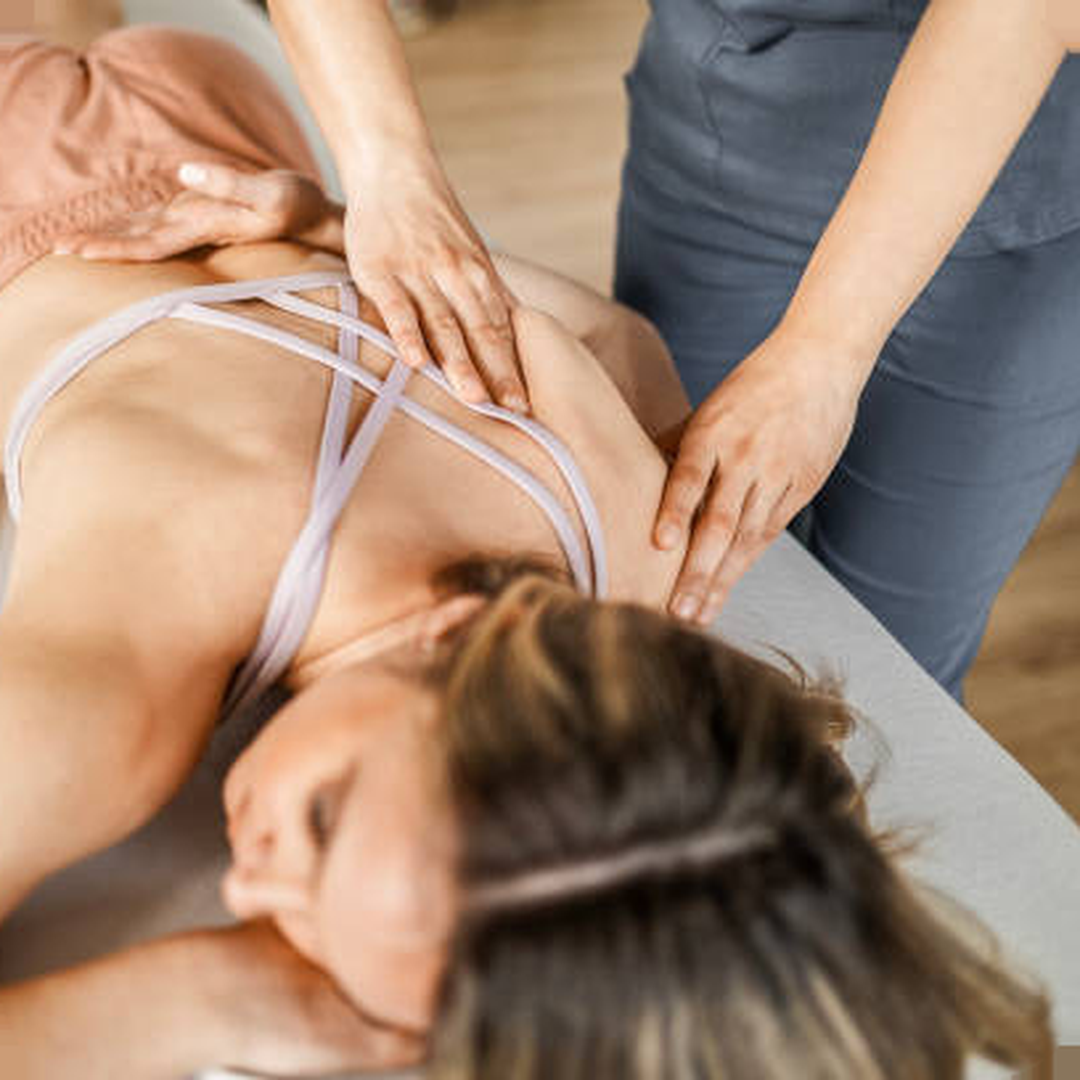
Soft Tissue Mobilization
Hands-on care may be used alongside joint mobilization to address tight or overworked surrounding muscles and connective tissues.
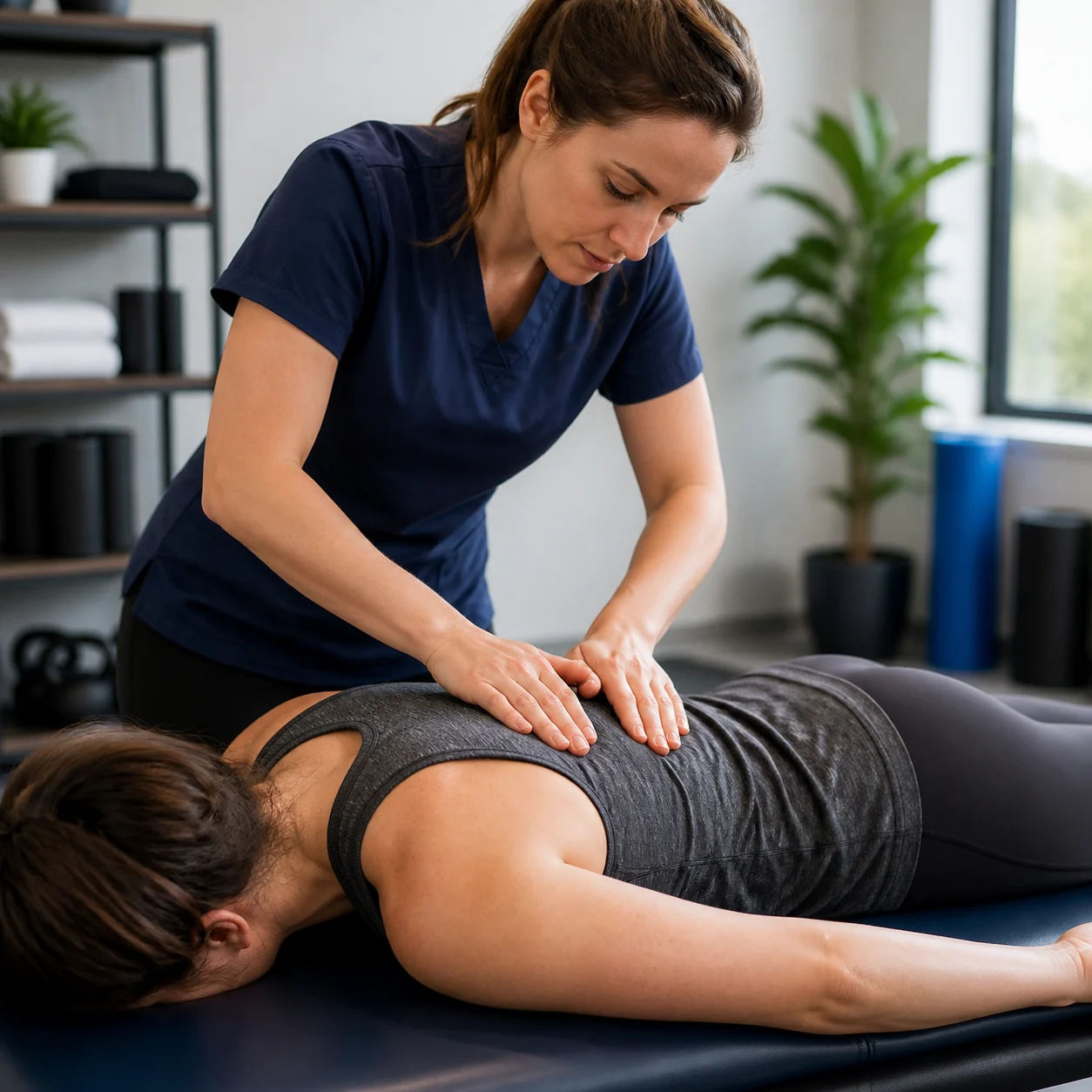
Spinal Mobilization
For spine-related symptoms, gentle manual therapy can help relieve pressure on joints, reduce inflammation, and improve nerve function.
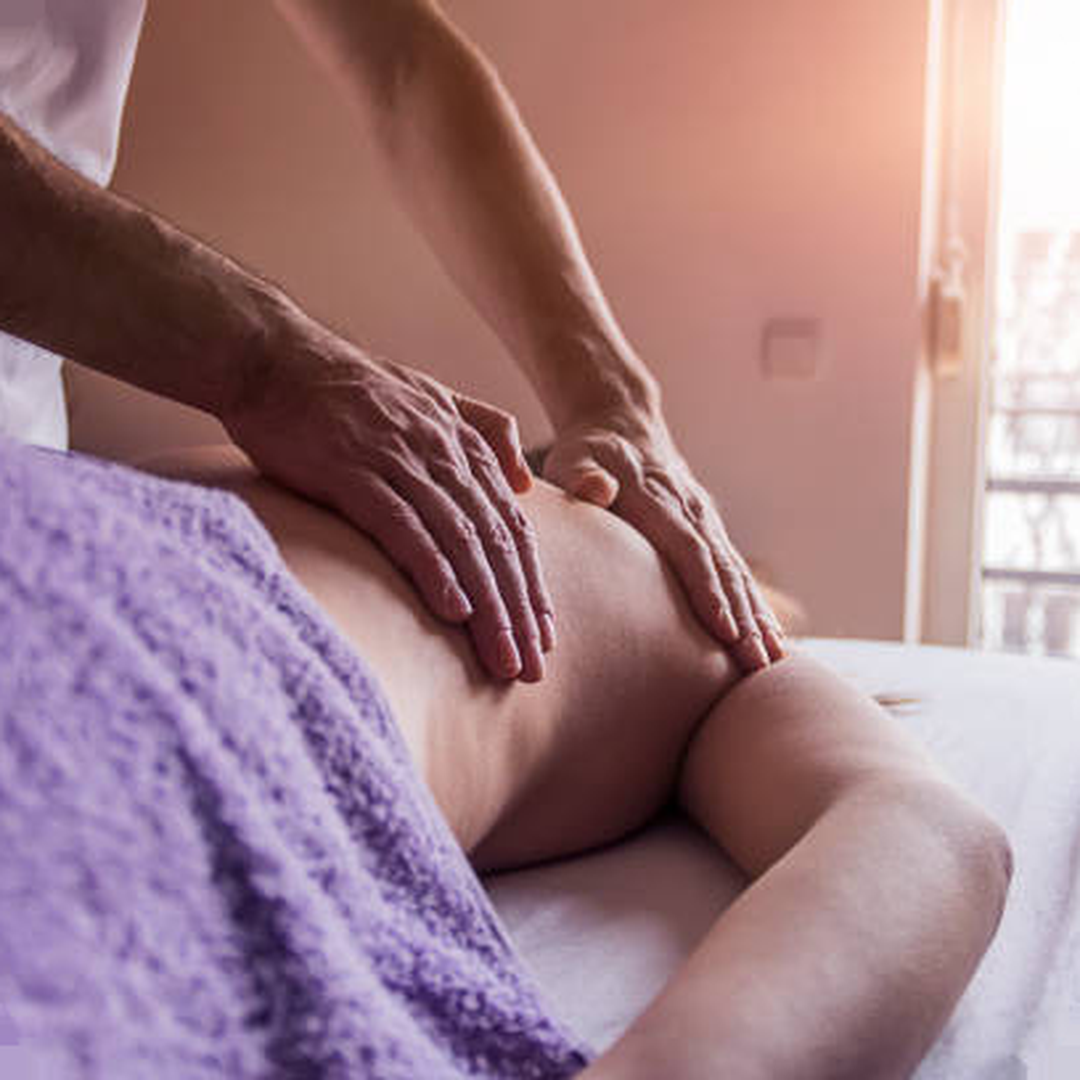
Neuromuscular Re-education
Training movement patterns, posture, and coordination can help reinforce improved mobility and support lasting function.
Find Out If Joint Mobilization is Right For You
Drug-free relief from joint or muscle pain may be possible. Meet with a Cutting Edge Physical Therapy clinician for an individualized evaluation and plan of care.