Shoulder Pain Relief
Don’t let nagging shoulder pain hold you back from sleeping, reaching, working, or enjoying your day.
Nagging Shoulder Pain Holding You Back?
Shoulder pain can appear when you reach toward the top shelf, put dishes away, or try to find a comfortable sleeping position without a dull ache in your shoulder and neck. It can follow an injury and make the shoulder feel immobile, or range from temporary discomfort after a pulled muscle to painful arthritis.
Your shoulder has the greatest range of motion of all the joints in your body. It is a ball-and-socket joint: the head of the upper arm bone fits within the shoulder blade, while cartilage, bursae, tendons, and the rotator cuff help the joint move smoothly. When any part of this mechanical interplay is disrupted, pain and limited motion can result.
The type of pain can offer clues. Impingement pain often appears as you raise your arm; a degenerated shoulder may ache with certain movements; and an acute injury can bring sudden, intense pain that makes movement difficult. Our team is dedicated to helping you find a natural path forward.
Common Causes of Shoulder Pain
The complexity of the shoulder joint creates many opportunities for pain-causing conditions. A physical therapy evaluation can help determine which factors are affecting your movement and comfort.
Tendinitis
Excessive use from a labor-intensive job, overhead activity, or sport can inflame shoulder tendons. Poor posture can also alter normal forces on the tendons, contributing to swelling and painful impingement when raising the arm.
Arthritis
Osteoarthritis can result from significant cartilage wear and tear, while rheumatoid arthritis occurs when the immune system attacks the membranes surrounding the joint. Both can cause pain, inflammation, weakness, and loss of motion.
Impingement
Impingement can occur when the humeral head does not move or track normally as you lift your arm overhead. Pain commonly occurs at or above 90 degrees of arm elevation.
Frozen Shoulder
Also called adhesive capsulitis, frozen shoulder may develop after prolonged immobilization in a cast or sling, or an extended period of bed rest. It causes painful tightening of the joint and severe loss of motion.
Rotator Cuff Injuries
The four rotator cuff muscles dynamically stabilize the shoulder. Repetitive overhead activity in sports such as tennis or jobs such as carpentry can lead to injury, deep aching, arm weakness, trouble reaching behind the back, and disrupted sleep.
What Will a Shoulder Pain Treatment Plan Look Like?
Our physical therapists are movement experts trained to pinpoint the cause of your pain. Your evaluation includes your range of motion, strength, coordination, medical history, joint mobility, and the mechanics of your joint motion.
Once we understand what is contributing to your symptoms, we build a specialized plan around you. Gentle manual therapy can help restore normal joint movement, ease soft-tissue restrictions, and promote circulation. Specific therapeutic exercises help restore strength and the correct sequence of muscle activation around the shoulder joint.
We also teach you techniques to enhance strength and help prevent future shoulder problems. Physical therapy is a natural, comfortable approach to shoulder pain relief that can help you improve function without relying on harmful drugs or invasive surgery.
For rotator cuff injuries, conservative care may be an important first step. Cutting Edge Physical Therapy will perform an evaluation and diagnostic testing to determine whether a rotator cuff tear may be present and design care around your diagnosis and needs. If surgery is needed, physical therapy remains an essential part of recovery.
Care That Supports Your Recovery
Depending on your examination findings, your plan may incorporate targeted techniques to restore mobility, reduce soft-tissue restrictions, and retrain healthy movement.
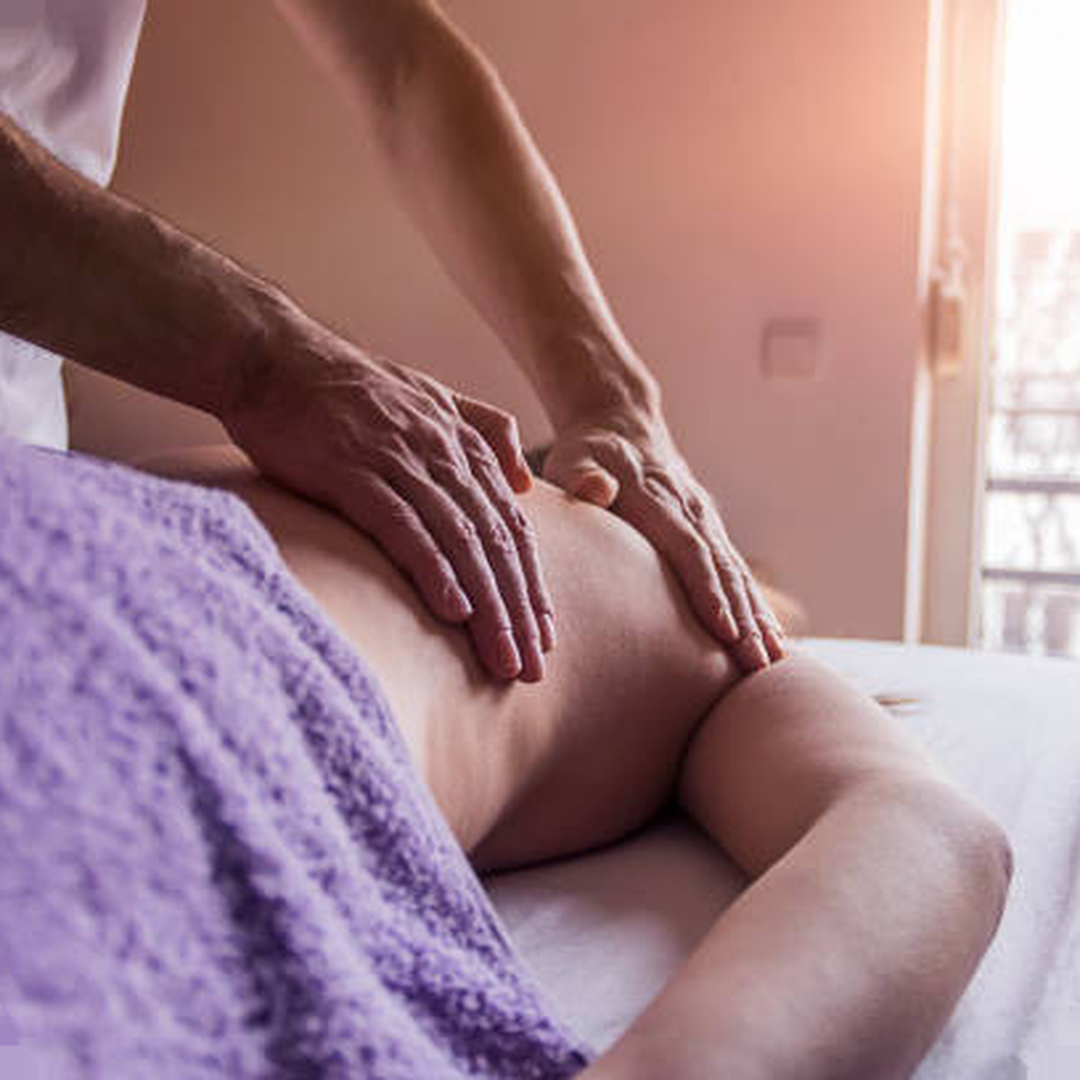
Joint Mobilization
Hands-on techniques may be used to help restore comfortable joint movement and mobility.
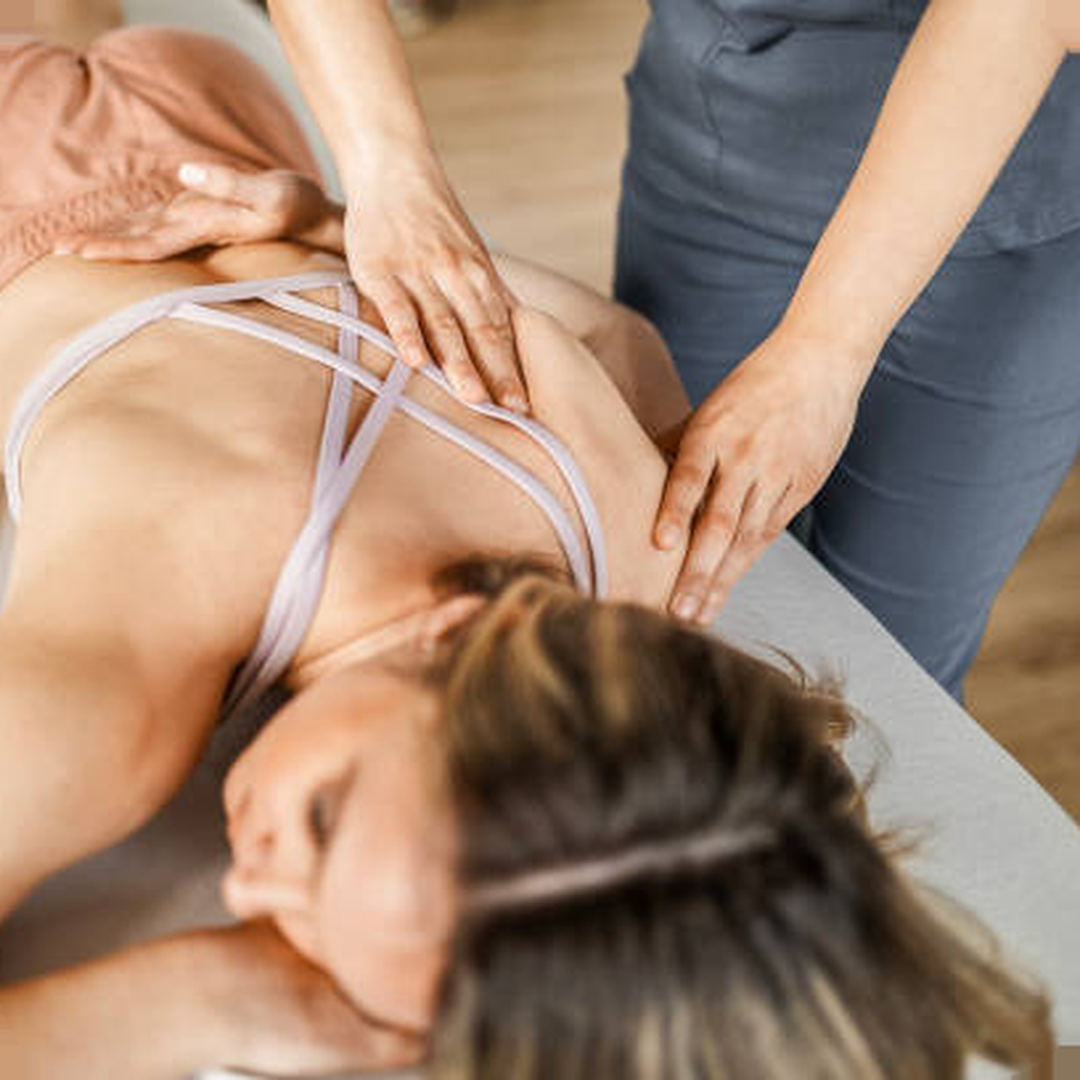
Soft Tissue Mobilization
Soft-tissue work can be part of an individualized plan to address restrictions and improve movement.
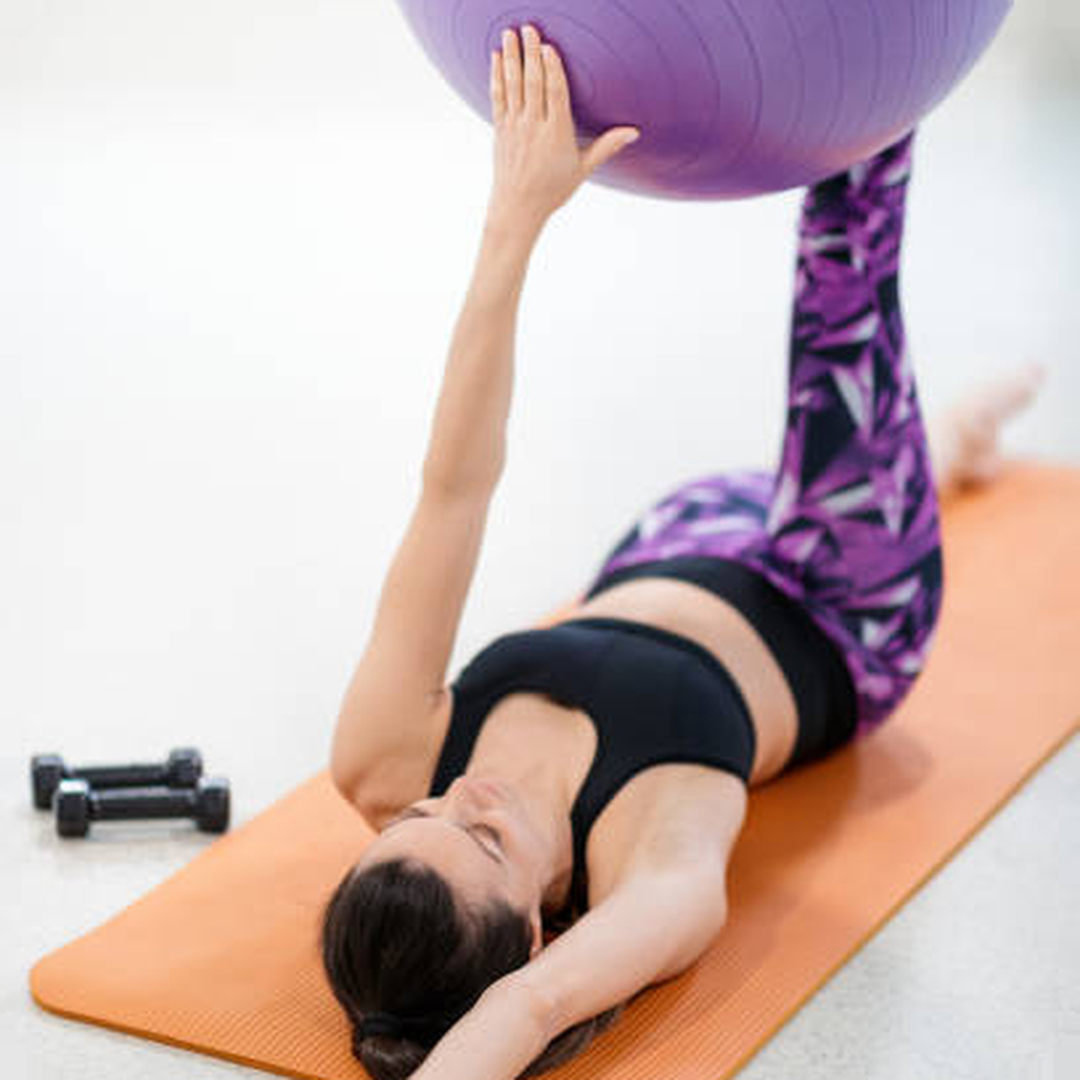
Neuromuscular Re-education
Targeted exercise can help restore strength, coordination, and the sequence of muscle activation around the shoulder.
Get Shoulder Pain Relief Today
Don’t let shoulder pain limit your physical abilities any longer. Our practice will help you start moving toward a return to normal life with an individualized plan for lasting relief.